
Common Names
Taxi, Basralokus, Barakaroeballi, Angelique bastard, Angelique blanc, Angelique gris, Angelique rouge, Bara karoeballi, Basraloksi, Siendja peto, Siendja pretie,
Scientific Name
Dicorynia guianensis (Dicorynia paraensis)
Family
Leguminosae - Caesalpiniaceae
Uses
Outdoor as well as indoor
Bridge decks and boards jetties, Construction and fences , strut poles , Marine construction, Parquet flooring, Railroad ties, Beams, Domestic flooring, Flooring, etc.
Tree description
Tree size Average Dry
Weight (kg/cbm) 660-900 kg/m3 (lbs/ft3)
Diameter
(cm) Diameter of 40 cm upw to sometimes 150cm
Length
Standard logs are 250cm and longer
Hardness (lbf /N)
1100 lb for green material and 1290 lb at 12% moisture content
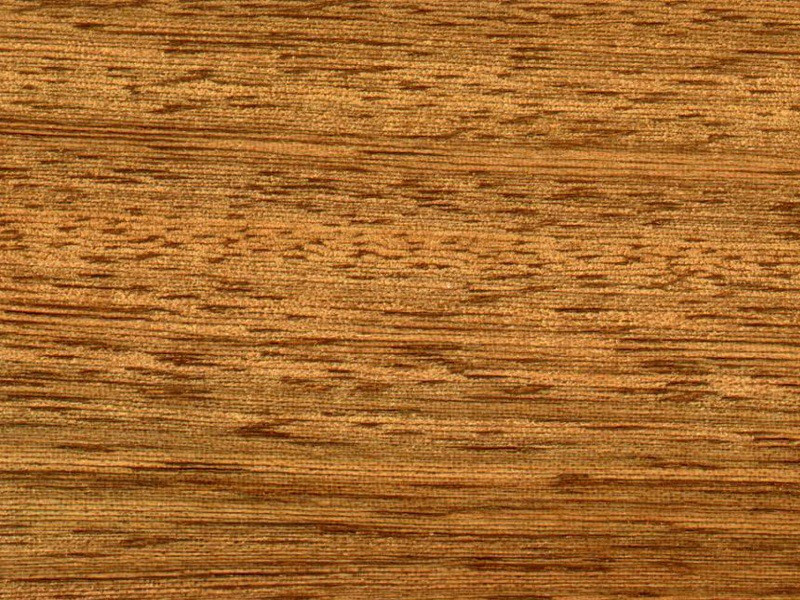
General Characteristics Heartwood reddish brown gray to reddish- or yellowish brown sharply demarcated from narrow brownish-white sapwood. Texture medium; unusual subsurface luster; grain usually straight, sometimes somewhat interlocked; no distinctive odor or taste. Wood fibers are prominent as long brown lines on side grain producing an attractive figure. Resistant to water.
Weight
Basic specific gravity (oven dry weight/green volume) 0.65; air-dry density 50pcf.
Hardness
Janka side hardness is 1,100 lb for green material and 1,290 lb at 12% moisture content.
Working Properties
The Basralocus Wood is easy to moderately difficult to work and finishes smoothly. It is moderately easy to glue with care and finish satisfactorily. Clear oil works best to bring out color and longevity.
Available in sawn wood in the measurements (inches) 1’’ x 3’’
1” x 4”
1” x 6”
1” x 8” 2’’ x 3’’
2” x 4”
2” x 6”
2” x 8” All your required dimensions are welcome and can be negotiated.
